
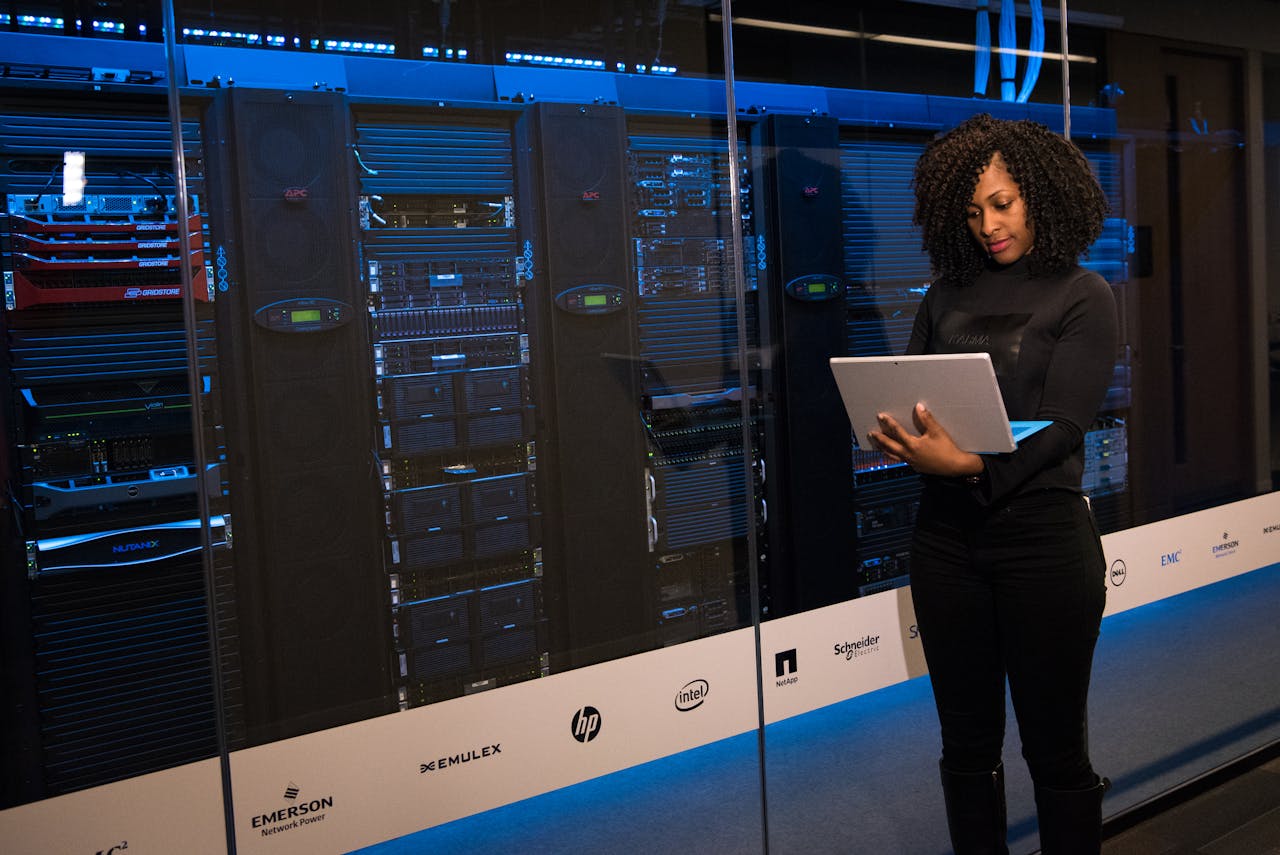
Many businesses start small, with a server tucked away in a spare office or a utility closet. While this setup might work in the early stages, it rarely supports long-term growth. As your company expands, the risks associated with on-site infrastructure become apparent. A single power outage, a failure in the air conditioning, or even a spilled cup of coffee can take your operations offline. This is where data centre hosting becomes a critical consideration. By moving your IT infrastructure to a specialized facility, you gain access to enterprise-grade resources without the capital expense of building them yourself.
Data centre hosting involves renting space or computing power from a third-party provider. These facilities are built specifically to house, power, and protect IT equipment. They offer a level of resilience that is difficult and expensive to replicate in a standard office building. For business leaders, understanding the options available is the first step toward a more secure and efficient IT strategy.
Understanding Data Centre Hosting Options
The term data centre hosting covers several different service models, each suited to different business needs. The most traditional form is colocation. In this model, your business buys and owns the servers and storage hardware. You then rent rack space within the data centre facility. The provider supplies the power, cooling, physical security, and internet connectivity, but your team remains responsible for maintaining the actual hardware and software. This option is popular for organizations that have specific compliance requirements or need total control over their equipment.
Managed hosting takes this a step further. Here, the service provider owns the hardware and leases it to you. They also take responsibility for the operating system and system software maintenance. This removes the burden of hardware replacement and patching from your internal IT team, allowing them to focus on applications and business logic rather than swapping out failed hard drives.
Cloud hosting has become the dominant model for many modern businesses. Instead of renting a specific physical server, you rent virtualized resources. This model offers incredible flexibility because you can increase or decrease your computing power instantly based on demand. It shifts IT spending almost entirely to an operational expense model, as you only pay for the resources you consume.
The Strategic Benefits for Business
Reliability drives many organizations to move their infrastructure off-site. Data centres are engineered with redundancy at every level. They have multiple power feeds from the grid, backed up by industrial uninterruptible power supply (UPS) systems and diesel generators. If the main power fails, the facility keeps running without interruption. Cooling systems are similarly redundant, maintaining optimal temperatures to prevent hardware failure. This infrastructure guarantees uptime levels that standard office environments simply cannot match.
Security is another major advantage. Data centres operate with strict access controls. Physical entry is restricted through biometric scanners, security guards, and 24/7 surveillance. Protecting your digital assets is just as important as protecting your physical ones. These facilities often employ advanced firewalls and intrusion detection systems to defend against cyber threats.
Cost effectiveness and scalability also play significant roles. Building a private server room requires a massive upfront investment in cooling, power, and space. Hosting allows you to leverage the provider’s economies of scale. You avoid the capital expenditure of building infrastructure and the ongoing costs of maintenance staff and electricity. Furthermore, as your business grows, you can easily add more space or power. In a private server room, running out of capacity often means expensive construction work or moving offices entirely.
Summary
Data centre hosting offers a secure, reliable foundation for your business technology. By moving away from on-premises server rooms, you eliminate single points of failure and gain access to professional-grade infrastructure. Whether you choose colocation, managed hosting, or cloud solutions, the result is improved uptime, better security, and the ability to scale your operations efficiently. Review your current IT setup and consider how a dedicated hosting partner could support your business goals.